
HEALTH CHECK FOR THE MENOPAUSE
Health Check for the Menopause
Heading into and through the menopause can be life changing for some women. Whilst the menopause often happens naturally, it can be caused due to medical procedures, treatments, genetics or unknown reasons. What is known is that it can affect all women in different ways including anxiety, mood swings, brain fog, hot flushes and irregular periods. These symptoms can start years before periods stop and carry on afterwards. Menopause and perimenopause symptoms can have a big impact on a woman’s life, including relationships and work.
Whilst our Health Check for the Menopause doesn’t promise to solve all your symptoms, it will provide you with the chance to discuss them with our Menopause Movement accredited specialist. Here’s an overview of what we measure and how each one is relevant to the menopause.
- Blood Pressure
There’s a number of reasons why a person’s blood pressure can rise, some linked directly to the menopause. Lower levels of oestrogen can make blood vessels stiffer and increases in weight, stress and anxiety can also affect blood pressure levels. Measuring and understanding your blood pressure is the first step in making some positive lifestyle changes for improvement.
- Body Composition
Your body composition is made up of muscle, body fat, bone and water. Being able to measure each component is hugely important when it comes to making an action plan for better health. During the menopause, many women can experience a decline in bone density leading to conditions such as osteoporosis. In a three-year period leading up to and through the menopause, women can lose between 6% and 15% of their bone mass. After this period, women can continue to lose between 0.5 and 1% of bone mass each year. Our body composition test can’t measure bone density, but it can give you a level of mineral content. Minerals refers to the total amount of inorganic minerals that are dissolved in bone and body fluids which represents osseous and non-osseous mineral respectively. It’s a good signal of bone strength and allows you to follow changes over time.
In addition to bone strength, muscle mass is another important element of body composition to measure and track as women progress through their menopause journey. Declining oestrogen levels can cause a loss of muscle mass and increase in body fat mass. Strength training can counteract this by maintaining or even building muscle mass, increasing bone strength and boosting metabolism. Being able to measure the impact of any strength training programme is essential to analyse its effectiveness.
- Vitamin-D Deficiency
During our Health Check for the Menopause, we will complete a vitamin-D deficiency test. Low levels of vitamin-D are linked to issues like depression, low mood, muscle pain, weakened bones, and a vulnerable immune system – all of which can intensify during perimenopause and menopause. Many researchers believe that vitamin-D is vital to healthy brain function, and studies suggest it might play an important role in regulating mood and warding off anxiety and depression. Vitamin D may also help to regulate insulin levels, and research has found that people with low vitamin-D levels have a higher risk of developing type 2 diabetes, as well as other chronic inflammatory diseases such as heart disease and osteoporosis. Vitamin-D plays a key role in the absorption of calcium which is vital for good bone health. Identifying a Vitamin-D deficiency can allow you to make informed decisions around supplements and nutritional choices.
- Grip Strength
We measure your grip strength as an indicator of overall strength and health. Again, this metric allows us to analyse changes over time and assess the effectiveness of any training plans your currently following.
In addition to measuring the elements above, our Health Check for the Menopause includes a discussion around ensuring smear tests and breast screenings are up to date and the techniques of cognitive behavioural therapy (CBT) for dealing with hot flushes and brain fog. We’ll also send you a link to the NICE Guidelines for the identification and management of the Menopause.
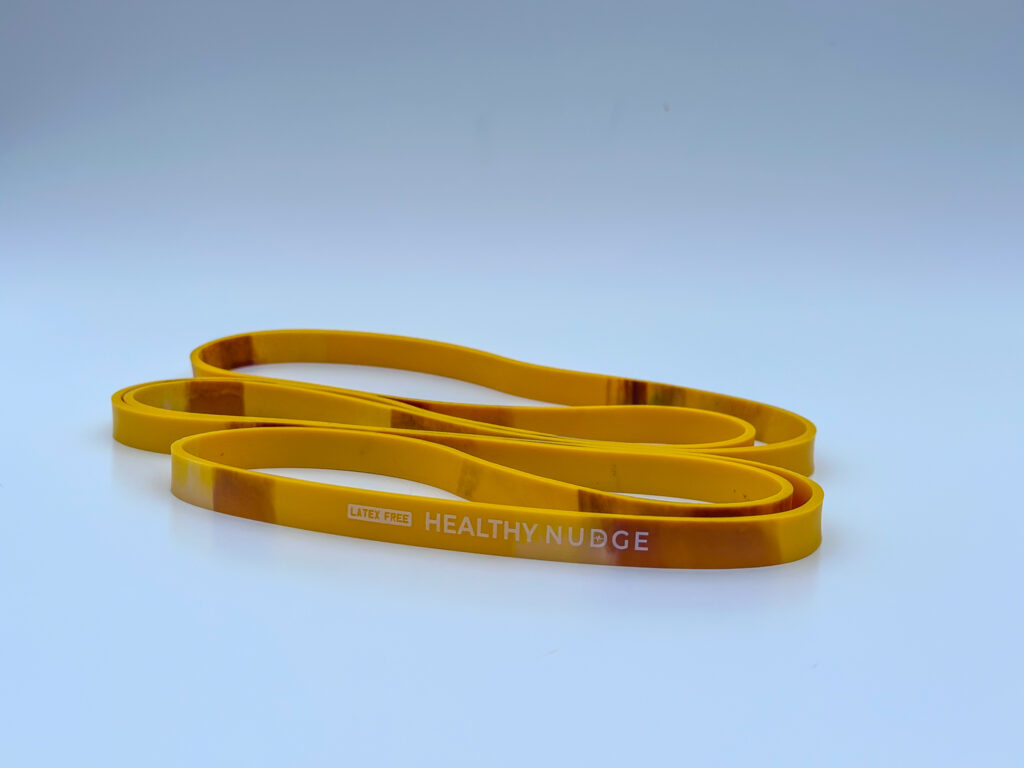
As we recognise the importance of strength training on bone health and muscle mass, we’ll send you three strength sessions on the Move Health + App broken down into body area. Upper body, lower body and core strength. You’ll take away our lightweight resistance band to help you complete these sessions from the comfort of your own home.
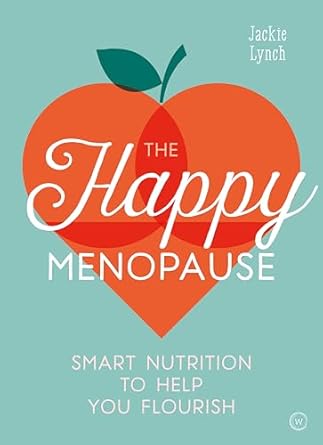
Lastly, our Health Check for the Menopause includes a copy of ‘The Happy Menopause: Smart Nutrition to Help You Flourish’ by Jackie Lynch. This practical nutrition and lifestyle guide provides women with the tools to build their own menopause diet which specifically targets the symptoms that are relevant to them. There are so many ways that nutrition can support a healthy and happy menopause, and this book is designed to help you find yours.